


The Best Pranayama & Breathwork Exercises for Yoga and Freediving
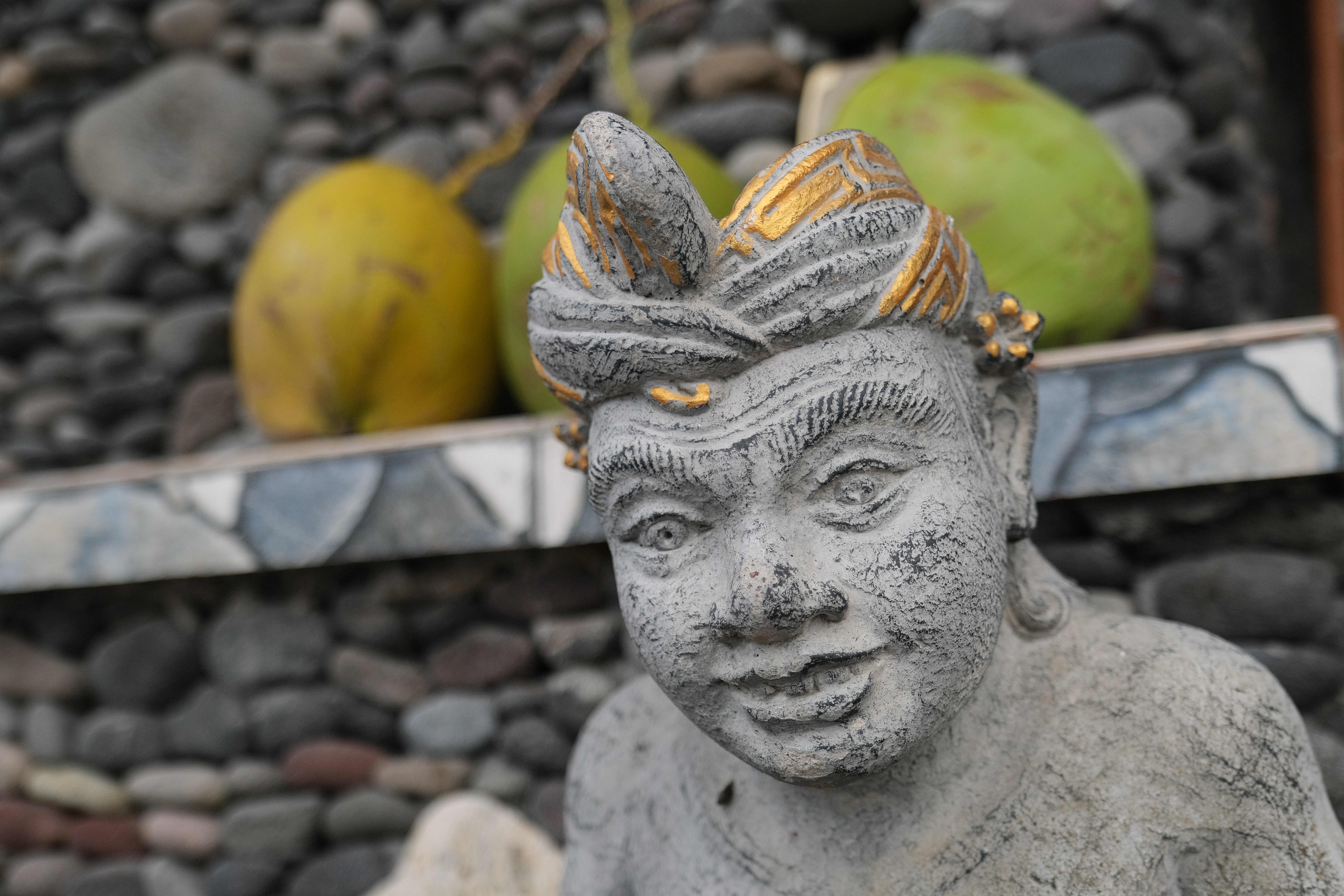
Breathwork is a central element of both yoga and freediving, and nowhere do these practices come together more naturally than in Amed, Bali. With its calm ocean, slow pace of life, and focus on presence, Amed offers the ideal environment to explore pranayama for deep relaxation, awareness, and freediving preparation.
Below we share our favorite pranayama and breathwork practices, how we use them in yoga, and how they support freediving training at Freediving Amed.
Why Breathwork Matters for Yoga and Freediving
Both yoga and freediving rely on the same foundations:
conscious breathing
nervous system regulation
mental clarity and focus
relaxation under pressure
In yoga, pranayama helps calm the mind and refine awareness. In freediving, breathwork supports relaxation, efficiency, and safety. Practiced correctly, these techniques complement each other and enhance both disciplines.
1. Diaphragmatic (Belly) Breathing
What it is
Slow, relaxed breathing that allows the belly to expand on the inhale and soften on the exhale.
Benefits for yoga
Activates the parasympathetic nervous system
Reduces stress and anxiety
Builds a strong foundation for pranayama and meditation
Benefits for freediving
Improves breath efficiency
Reduces unnecessary tension
Encourages calm before ocean sessions
Why we use it at Freediving Amed: This is the base of all breathwork — simple, accessible, and essential for both yoga practice and freediving preparation.
2. Extended Exhale Breathing
What it is
A breathing pattern where the exhale is longer than the inhale (for example, inhale 4 seconds, exhale 6–8 seconds).
Benefits for yoga
Deeply calming
Slows heart rate
Encourages relaxation and presence
Benefits for freediving
Helps settle pre-dive nerves
Supports relaxation before breath-holds
This technique is especially useful for calming down the nervous system.
Important note: Too much of this technique would result in a slow hyperventilation.
3. Box Breathing (Equal Ratio Breathing)
What it is
Breathing in equal counts: inhale – hold – exhale – hold (e.g. 4–4–4–4).
Benefits for yoga
Improves concentration
Reduces mental restlessness
Creates steady rhythm in the breath
Benefits for freediving
Builds comfort with breath holds
Improves breath control and CO2 tolerance
Useful as a pre-training focus exercise
4. Uddiyana Bandha (Abdominal Lift)
What it is
A yogic technique involving a gentle abdominal lift after a full exhale, traditionally practiced on an empty stomach.
Benefits for yoga
Builds awareness of the diaphragm and core
Deepens internal sensitivity
Supports advanced pranayama practices
Benefits for freediving
Improves diaphragm awareness
Helps understand internal pressure and control
Builds subtle strength without forcing the breath
Conditions our body for diving close to and below residual volume
Important: Uddiyana Bandha should be practiced mindfully and progressed slowly.
5. Bhramari Breathing (Humming Bee Breath)
What it is
A breathing technique using a gentle humming sound on the exhale.
Benefits for yoga
Strongly calming
Reduces mental noise
Encourages inward awareness
Benefits for freediving
Releases pre-dive tension
Massages the sinuses
Helps shift the body into a relaxed state
Bhramari is particularly effective in yoga and breathwork sessions focused on deep relaxation.
6. Nadi Shodhana (Alternate Nostril Breathing)
What it is
A traditional pranayama practice alternating breath between the left and right nostrils.
Benefits for yoga
Balances the nervous system
Reduces anxiety
Encourages mental clarity and stillness
Benefits for freediving
Improves focus and awareness
Encourages calm, rhythmic breathing
Helpful before freediving sessions or relaxation practices
7. Kapalabhati (Breath of Fire)
What it is
An active pranayama practice with short, forceful exhales and passive inhales.
Benefits for yoga
Energizes the body
Clears mental fog when practiced lightly
Improves awareness of breathing mechanics
Benefits for freediving
Strengthens respiratory muscles (intercostals and diaphragm)
Improves awareness of exhalation
Important note: Kapalabhati is stimulating and should not be practiced immediately before freediving or breath-hold sessions.
8. Body Scan with Natural Breath Awareness
What it is
A guided relaxation practice combining gentle breathing with progressive body awareness.
Benefits for yoga
Releases deep tension
Improves mind–body connection
Supports meditation and recovery
Benefits for freediving
Trains full-body relaxation
Reduces unnecessary muscle engagement
Builds awareness of subtle sensations
Yoga, Breathwork, and Freediving in Amed
Amed, Bali offers a unique environment where yoga, pranayama, and freediving naturally come together. The calm setting, warm water, and slow rhythm of life make it an ideal place to explore breath-based practices without distraction.
At Freediving Amed, breathwork is an integral part of:
yoga sessions
freediving preparation
relaxation practices
upcoming yoga retreats and teacher trainings
Some retreats will combine yoga and freediving, while others will focus purely on yoga, pranayama, and deep relaxation.
Final Thoughts
Pranayama is not about controlling the breath — it is about understanding and listening to it.
Whether you are practicing yoga in Amed, preparing for freediving, or simply seeking relaxation, these breathwork techniques offer powerful tools for awareness, calm, and connection.


Comments